Showing posts with label seo. Show all posts

Tuesday, March 11, 2014

Boost Website Traffic with Content Notifier

Need a tool to boost your search engine rank?
Watch What ContentNotifier Can Do For You

In less time than it will take you to read this page, you'll get 45,000+ new meta links, generating truckloads of new traffic in the process!

(Knowledge of SEO, Pinging, and Backlinking NOT REQUIRED!)

Does this sound familiar? You have a great idea for a product or service, and you set up a website to sell it. Even though the website looks great, it needs visitors! Which brings us to the question: how are people going to know your site is online?

Trying to find the answer, you research different ways to get traffic, and you are suddenly faced with all kinds of terms to deal with, like SEO, pinging, and backlinks.

What do they all mean, and more importantly, how do you use them for your site?

 Let's look at these problems one at a time:

Problem #1: You're not exactly sure how SEO works. The letters for SEO stand for Search Engine Optimization. Basically, you optimize your site by including certain keywords within the text of your pages. When people search for those words or phrases on Google, Yahoo, or other engines, your pages will be listed along with a link to your site. The better optimized your website is for search engines, the higher you'll rise in the search results for those specific keywords. This increases the exposure of your website and eventually lands you more traffic and more sales. I'm sure you can begin appreciating the power of SEO and why it truly can make the difference between success and failure.

Problem #2: Maybe there's not that much pinging on your site, but you don't know how to fix that. Pinging just means that you are telling other websites on the internet whenever you have new content. For example, if you put a new article or blog on your site, you can ping to alert everyone by leaving links that people will click on. Why is pinging important? Search engines receive this alert and begin paying more attention to your website - this increases the amount of pages they will index, and ultimately drive more traffic to your website.

Problem #3: You've heard about backlinking, and think it could work, but you're unfamiliar with how and where to get links. Backlinking is what happens when another website links back to yours. Think about it like a high-school popularity contest - the more websites linking back to yours, the higher your website will appear in the search engine results. How does this happen? Google and other large search engines assume you must be a credible, authoritative website if you have tons of backlinks from other websites (especially if these other websites are related to your niche/industry!). They simply prefer your website over other sites and therefore give you a higher ranking - thus, flooding you site with visitors and eventually, sales and profits!

Search engine rankings and links will make your site more noticeable, when they are done correctly. As you might have already realized, SEO can be tricky. If you use too many keywords, you run the risk of being penalized by the search engines. And if you don't use enough, they might not recognize your site. Plus, backlinking and pinging seem like they take a lot of time and effort with no guarantee they will work.

Back to the original problem, how do you use all three to get quality traffic for your site?


Solution
See Video & Learn More:


Thursday, February 27, 2014

11 tips and tools to jump-start your SEO~ By Rob Petersen

Photo credit: Sean MacEntee


Optimization (SEO) is the process of maximizing the number of visitors to a particular website by ensuring the site appears high on the list of results returned by a search engine for particular keywords. If you do business on the internet, a top rank on search engines (Google, Yahoo and Bing)  is a primary requirement. But even the best SEO strategy and execution takes time to achieve results – generally 2 to 6 months depending on the steps you take and the competition for the keywords you pursue.
What do the numbers tell us about the importance of SEO?
  • 54% of people come to a website from a search engine (source: Forrester)
  • 94% of search engine users click on organic search results (source: Search Engine Watch)
  • 34% click on the website in the 1st position; 95% click on search results from the 1st page (source: Prokell SEO)
So what are you waiting for? Here are 11 tips and tools to jump-start your SEO.


About the author
4f163c512a8e6238f1bac8951cbf71c2
Rob Petersen is President of BarnRaisers, an online marketing solutions company using social media, the power of community and the proven principles of relationship marketing. Rob was EVP/Chief Strategy Officer for Omnicom and has held leadership positions at FCB, Euro RSCG and Saatchi & Saatchi.Rob has been recognized by the American Marketing Association for building billion dollar businesses multiple times. He has developed game changing consumer relationship platforms that have propelled brands from Abbott, Coca-Cola, Johnson & Johnson, MasterCard and Pfizer to market leadership. His accomplishments in business strategy and brand building have led to his thought leadership and expertise in social media. He has developed and executed social media initiatives for the American Heart Association, Colgate, Mars and Shell; all have built online communities with results and ROI’s that exceeded expectations.
Rob is on the faculty of Rutgers University and teaches MBA courses in Digital Marketing and Social Media Measurements and ROI. He also speaks at industry conferences and hold workshops on social media. Rob is a graduate of Colby College in Waterville, Maine

Tuesday, February 25, 2014

Determining project scope, size, and expectations (from Link Building: From Beginning to Launch)~ By Andrew Dennis


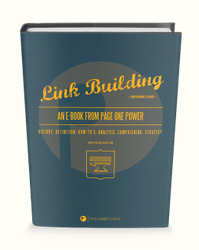
eBook Pic
My contribution to Biznology this month is an excerpt from Page One Power’s eBook Link Building: From Beginning to Launch. The book aims to provide link builders, both experienced and new, with all the tools and information necessary to execute a link building campaign – from beginning to launch.
Below is a taste of what the book is all about and a preview of what to expect when the book launches on February 24.

The next step in launching a link building campaign is setting project size, scope, and expectations. These should be customized based upon your website; no two link building campaigns will be exactly the same.
Here’s what you’ll need to know before the launch of every campaign, which will help you set project expectations:


Tuesday, January 14, 2014

Magic Article Rewrite Program


There's nothing better than seeing first-hand the profitable results of your article writing. And it’s a “dream strategy” for many other reasons, too. Increase web traffic – With article marketing, visitors can constantly come to your website. Achieve massive publicity. Build your list of targeted prospects that want to hear from you right now Boost your reputation, credibility, and name recognition. Gain link popularity & Improve Search Engine Optimization (SEO) rankings. Create affiliate relationships and JV partnerships with highly influential web publishers. 
However, one of the easiest, proven, most time-tested ways to attract new business and more traffic to your site is to become a sought after authority and gain expert status in your field.


Do You Want to Know How ???

Watch Video and See How Easy it Is!


Monday, January 6, 2014

Social Media Insider, LLC Launches Brand New Magazine: The Startup Monthly

LAS VEGAS (PRWEB) January 06, 2014 


Social Media Insider, LLC is pleased to announce the official launch of The Startup Monthly magazine at New Media Expo in Las Vegas, Nevada at booth 517.
According to Forbes, there are almost 28 million small businesses in the United States and over 22 million are self-employed with no additional payroll or employees. Additionally, small businesses have generated over 65 percent of the net new jobs since 1995.
This anticipated sister magazine of The Social Media Monthly will offer rich and relevant content helping build and connect this growing startup community. Articles from entrepreneurs, investors, and other business-minded individuals, thought leaders, and experts will provide insight detailing trends, key players, challenges and opportunities facing the startup world today.
“As a source of insight connecting passionate individuals, The Startup Monthly magazine will help empower startup activists and provide the education and resources necessary to help connect entrepreneurs and investors within the international startup community,” said Robert Fine, founder of The Startup Monthly and The Social Media Monthly. “Entrepreneurs are versatile and solution-oriented individuals, and we hope this magazine will help give startups a voice and bring to light their invaluable contributions to the United States economy.” 

 There are four founding principles and goals that The Startup Monthly plans to develop and encourage through the new publication:


Promotional Marketing by Suzanne Scholl

There's nothing better than seeing first-hand the profitable results of your article writing. And it’s a “dream strategy” for many other reasons, too. Increase web traffic – With article marketing, visitors can constantly come to your website . Achieve massive publicity. Build your list of targeted prospects that want to hear from you right now Boost your reputation, credibility, and name recognition. Gain link popularity & Improve Search Engine Optimization (SEO) rankings. Create affiliate relationships and JV partnerships with highly influential web publishers.
  

Wednesday, October 23, 2013

Burnish your brand’s reputation, don’t ‘manage’ it ~By Chris Abraham


Written By Chris Abraham


reputation


If you want to fix your online reputation, writing big checks to an online reputation agency isn’t enough over the long haul — you’ll also really need to get your own house in order.
Most online reputation management (ORM) agencies can easily take back all the land you’ve ceded to negative reviews, rigorous and vigorous besmirchment, and terrible happenstance; however, this is all assuming you’ve been done wrong.
I call this scenario “the clean.” The crime scene may well be bloody and I may well need to don a Hazmat suit, fill my bucket with Clorox bleach, and get scrubbing with my stiff brush until the apartment is again rentable. The crime is over, it’s unlikely to repeat, and my job is just to restore the scene to normal.
If, on the other hand, you’re a bastard who had deep contempt for the morons you serve, allow your resentment at their stupidity come off you like waves of heat and believe that the customer is always wrong and that all your products and services are pearls to swine, then, yikes! This happens all the time. So, instead of passionately working hard to service customers and clients with kindness, super-service, innovation, convenience and value, they just assume that good enough is good enough.

When it’s cheaper to hire PR pros than to change the culture

This happens the most with monopolies and essential services. We all know their names. And, they’re often lambasted, drawn and quartered. While the fact that most of their clients and customers are being held hostage keeps these companies complacent when it comes to very expensive revisions in process, quality, and service, they’re not stupid. It’s cheaper to hire an army of crisis communicators, PR agencies, ad men, and online reputation managers than it is to turn a Comcast into a Zappos — at least for a while, that is, and especially when you still represent a monopoly. Online reputation management does work, but it’s an endless game of whack-a-mole.
I call this scenario “repair and repeat.” My analogy here is war. Some neighborhoods in Israel are the victims of chronic rocket attacks. Israel’s smart: they realize that if they allow these neighborhoods to look war-torn then settlers will never move there, will never stay there.
They have dedicated teams to come in, immediately after every attack, and quickly mend the damage, be it structural or cosmetic, from panes of glass to entire rebuilds — all in the service of making sure that people in these neighborhoods feel like they have a semblance of peace and security, even though they’re living a life or Russian roulette. This is very similar to doing online reputation management for a company that has decided to spend all their money on PR, ORM, publicity, and advertising without making sure it integrates with actual services, quality, customer care, and the ability to deliver on what was and is promised in those ads, PR, and publicity.


 Promotional Marketing by Suzanne Scholl

Premium Wordpress Theme created by Marketers for Marketers
Created by best selling author and social media expert Joel Comm and Dan Nickerson, Socrates allows you to create 1000's of unique designs for your website in a matter of minutes. It might just be the last theme you'll ever need. Socrates is Adsense and Clickbank monetized, search engine optimized, it comes with over 220 niche headers and incredible support.


Sunday, August 11, 2013

Instagram Marketing in Just a Few Minutes a Day~ By Dave Conklin

Instagram Marketing in Just a Few Minutes a Day image shutterstock 140793715 300x200

Understanding Instagram’s potential

When it comes to social media and its place in your overall SEO / internet marketing strategy, visual social channels like Instagram have been making themselves known as the place to be for target markets across a variety of industries.
Instagram is a growing platform with a great deal of direct marketing potential – sometimes your target audience is just an image away!
Users on Instagram often single themselves out and identify as members of a target market without even realizing it. This can be seen in the hashtags they use and the accounts they follow and are followed by.

Preparing to be an Instagram marketing champion

Before you get really excited to be an Instagram marketing super star, you have to make sure that you are set up to receive all of the attention and recognition that you crave for your brand.
  • Register a username that fits your brand – This is a no-brainer for any social account you register, but make sure that you take special care when creating your username on Instagram. Like Twitter, Instagram has a large number of savvy users and you’ll want to name your account something relevant and clever if you want to catch their eye.
  • Upload a profile picture that turns heads – Again, you know that your account is going to need a profile pictures, and your first thought might be to slap your logo up there and leave it at that. This isn’t always the best course of action however – if you are a technology brand, think a bit outside the box and feature a product you sell or an industry-related illustration or character. A lifestyle brand focusing on fitness might choose to feature something related to exercise, like a running shoe. The possibilities are endless!


Dave Conklin is the president and co-founder of RankPop.com, an affordable high end SEO and content marketing agency. Dave and the RankPop team are excited to contribute to the resources at Business2Community.com!...
View full profile

Sunday, July 28, 2013

Why You Need Content Marketing For Personal Branding~ By Jill Celeste


Why You Need Content Marketing For Personal Branding image why you need content marketing for personal branding 437723Content marketing has gotten a lot of buzz lately – and for good reason. It’s a powerful way for brands to offer helpful content to their customers without asking them to make a purchase – and part of the trust-building process brands can follow to generate leads for future sales.


While we hear much about content marketing for companies, it is also important to consider content marketing for personal branding. Here are eight ways content marketing can boost your personal brand:

#1: Content marketing lets you show off your expertise.

What are you an expert in? There’s no better way to tell the world than through content marketing. Put yourself in your potential customers’ shoes and think about the questions they have about your industry. Then, write blog posts, make videos and design PowerPoint presentations that answer these questions. By positioning yourself as an expert and problem-solver, people will turn to you for answers, and, eventually, to purchase your products or services.

#2: You can build online authority through content marketing.

Your goal is to make your name synonymous with your niche, and content marketing will help you achieve this goal. As you create more content marketing pieces and share your knowledge with the world, you build your online authority. Partnering with other experts also helps build online authority. Bylined articles, podcast interviews and collaborating on webinars are all effective ways to extend your online authority.

#3: Content marketing helps with SEO.

Simply put, when you constantly create new content, you are helping your overall search engine optimization (SEO) strategy. Google looks for relevant content, social signals and smart linking as part of its search algorithms. By creating helpful content, you are satisfying one-third of this SEO formula. Showing up on the first page of Google search results is a great way for customers to find you!

#4: Connect with others through content marketing.

Another aspect of your personal branding strategy is to connect with others, building relationships that grow your personal brand. Content marketing can help you connect with others in so many ways. First, through blog comments, you can answer questions and leave valuable feedback on influencers’ blog posts. You can also build relationships as you share your original content through social media channels. Finally, consider guest posts and interviews where you can extend your reach even more.

#5: With content marketing, you are always learning and sharing.

Personal branding is a journey of learning and sharing. While you are an expert in your niche, you can always learn from others. Be generous with what you learn and share it with your audience. Not only will you be more “human” with your audience, you will gain their trust even more. Consider content curation as part of your overall content marketing strategy. By using content curation tools such as Alltop, Paper.li, Feedly and Google Alerts, you’ll always have fresh content to share.

#6: High-quality content marketing makes you trustworthy.

That may sound like a tall order, but it’s very true: People learn to trust you through content marketing. When you provide high-quality content on a consistent basis, people will see you as helpful, knowledgeable and reliable. Furthermore, people buy from those they trust. If you’re helping them with your content marketing, you will be the person they’ll trust when it’s time to make a purchase.

#7: Establish yourself as a teacher and role model through content marketing.

Hand in hand with trust, people also purchase from those they admire, and content marketing is a fabulous way to find people who will admire your work. In most cases, you are not a marketer – you’re a photographer, SEO specialist or personal trainer. Teach people what you know. Be a role model in your industry. Show this expertise through content marketing, and people will line up to hire you.

#8: Through content marketing, you are showing people you are there for them.

Part of your personal brand rests on this question: What do you want to get paid to do (but you would do it for free)? When you’re passionate about your niche, it shows. You can’t help but help people get better! As you create content that exudes your passion, people will see you care for them. As you answer their questions, your audience will know you have their best interest at heart. This care and compassion translates to trust, admiration and loyalty – all hallmarks of a solid personal brand.
Personal branding is the way to show the world how you can help them. Think of content marketing as a vehicle to help you on this journey. When you create helpful, high-quality content that speaks to your audience, you are building your personal brand every time. Be there for your audience, and they’ll be there for you. Your personal branding experience will be that much richer.
____________________________________________________________________________
Why You Need Content Marketing For Personal Branding image ebook cover 236x3002
Stuck on what type of original content to produce? Be sure to get my free report, 76 Types of Original Content That Will Skyrocket Your Brand. You’ll never be short on content marketing ideas again!
Enter your email address here, and I’ll email the report right over to you (be sure to check your Spam folder if it doesn’t land in your inbox in a few minutes).

READ MORE:


Jill Celeste

Jill Celeste, MA helps entrepreneurs and professionals learn to use social media to grow their personal brands so they can attract more clients, get better job offers and make more money. Jill believes that people buy from those they trust, and the best way for entrepreneurs and professionals to build that trust is through social media and content marketing. Jill is also the owner of Hound Dog Social Media, a full-service social media marketing agency, which helps her coaching clients implement smart social media solutions.

Wednesday, June 26, 2013

10 DOLLAR SOLO ADS

10 DOLLAR SOLO ADS
Send Out Your Email Ad Safely In 3 Easy Steps
LIMITED TIME OFFER: Order our Weekly Service and receive up to 500 extra prospects per solo ad, so sign up now!
Step 1: Choose Your Ad’s Targeting Choose the type of people you would like your email ad sent to from our extensive list of demographic targeting categories. Click Here For A Complete List
Step 2: Enter Your Email Ad Into The Form Type the subject line and body of the email ad you would like your prospects to receive. Make sure to include your website address.
Step 3: Choose The Date You Would Like Your Ad Sent & Click Submit Choose the day you would like your email ad sent and click the submit button. We take care of the rest and we will contact you with a tracking page to monitor your email ad’s performance.
The 10DollarSoloAds Service is a sophisticated double opt-in solo email ad system that sends your email ad to thousands of fresh opt-in leads instantly. Just enter your email ad and click the send button and your email ad is on its way to thousands of fresh prospects.
If you have ever tired to sell something online then you have probably experienced the frustration of getting people to your website. Look no further, 10DollarSoloAds.com specializes in the type of highly responsive targeted solo email advertising that will get people to your website. Solo Email Advertising has consistently been one of the highest performing methods of online advertising. Send your email ad to thousands of targeted prospects safely and easily with 10DollarSoloAds.com When an order is placed at 10DollarSoloAds, we immediately begin the process of sending your email ad. Each email ad is reviewed by our technicians for errors before they are sent to your targeted prospects. When your email ad begins sending we send you a confirmation email with full tracking information from a third party tracking service. This allows you to track the exact amount of clicks from each ad, the IP addresses of each person who has clicked on your ad, and the timestamp of when they visited your website.
Third Party Click Verification included free with every mailing.
Easy to use interface sends your email ad in two easy steps.
HTML or Text Ads can be sent with our service.
FREE 24 hour email support from a member of expert support department.
NEW Feature! Specify exactly what day you would like your email ad sent.
NEW Advanced Targeting! Choose from hundreds of categories.
safe_image

Friday, April 12, 2013

The 5 Golden Rules to HARO Success, as Shared by Real Users

  by

HARO, short for Help a Reporter Out, is an amazing tool, if you know how to use it. For business owners with no budgets for PR, it’s a godsend. For PR professionals, it’s the promised land: direct opportunities to pitch journalists who are actually interested in their stories. But of course, things aren’t as simple as they appear at the first sight: using HARO requires a bit of common sense, self discipline, and pitching skills.
There are no real secret recipes to using HARO, however, to learn how to maximize your chances of being selected as a source by a journalist, you need information from those who actually experienced success. What did they do to be selected? Are they willing to share the wisdom? Are there tips and tricks that helped them score great media mentions?
Everything PR ran a query with HARO, asking sources to share their success stories, and the amount of feedback received was mind-blowing. In less than 24 hours, there were over 50 pitches in my mailbox, from business owners and PR professionals alike. These responses provided tremendous insider intelligence value – concrete real life examples of successful pitches, tips and advice from real HARO users.
haro

1. Off topic pitches will fail

Don’t pitch off topic – there seems to be a general consensus among 57 people who answered Everything PRs call for success stories. Pitching off topic is a waste of time for you, and might impact your image negatively with journalists:
Stay on topic and get to the point quickly. Reporters are busy and they get tons of
queries through HARO — respect their time,” told us Julianne Coyne, PR specialist at
Fahrenheit Marketing. Her company was recently selected as a source for an article on Secret Entourage, How to Do Keyword Research for SEO.
Christina Daves of CastMedic Designs told us the same thing:
Don’t pitch off topic to a reporter. They get inundated with responses. Don’t waste their time.
And Daves knows a thing or two about success with HARO. Aside several mentions or national media (like Blog Talk Radio, NerdWallet, Examiner and others), Daves appeared on the Steve Harvey Show, after answering the query, Do you want to take your product to the next level? (National Television). The show ended up being a contest:
“I competed against 5 other inventors and was selected by two branding expert judges and won $20,000 in seed money. As a result, sales have boomed and I also have had celebrity customers.”

2. Keep it short, smarty

Brief pitches work best – it appears that users who send out brief pitches experience a better success rate than those who rant.
“My best advice to new HARO users would be to send very brief pitches that are highly personalized. Nobody wants a form letter,” told us Alexandra Chauran, a fortune teller who recently got a mention in the Colorado Springs Gazette after answering a journalist query on HARO.
The same advice comes from Jason Fitzgerald of Strength Running who used HARO to get press mentions and quotes in Yahoo, Health Magazine, Shape, and many others:
“Beginners to HARO should keep their tips short, to the point, and offer to help the writer with additional information or quotes.”

3. Stick to the topic, without the fluff

Keep to the point – even if you want to give additional details you believe relevant, keep them to yourself:
“Respond to queries where you can truly offer the expertise and information that the reporter is seeking,” explains Michelle Sullivan, Director of Marketing at Privia. “Do not waste their time as that certainly won’t endear you to them. Answer the questions that they are asking and do not offer tons of additional data that doesn’t really benefit their article. Understand that they are on a deadline and that if they need additional details, they will certainly ask.”
And Sullivan should know. Her CEO was recently featured in the SmartCEO Magazine after answering the query Seeking DC area C-level executives for interviews on corporate team building.
Keeping to the point works even when you are not in the business field the journalist is interested in, but only if you know what you are talking about. Liran Hirschkorn, who is an Independent Insurance Agent was quoted at SheKnows.Com about fathers who work from home, a mention that brings traffic to his website:
“My advice would be to look at the HARO emails every day and any request that might be a good fit – submit to. It doesn’t matter if it relates directly to your business or not – for example I was quoted at SheKnows.Com about fathers who work from home, and that mention gets traffic to my website. Write through, useful responses that add value and you have a good shot at a reporter emailing or calling you back.”
Joseph Shrand, MD, Medical Director at Castle, High Point Treatment Center in Marshfield, experienced the downsides of too long, fluffy pitches first hand:
“My first attempts were dismally unsuccessful: I put way too much information in the response. I am now much more likely to get what I call a HARO hit by writing perhaps three or four pithy sentences that get right to the heart of the query.”

4. Credentials matter

Your credentials may sell you as an expert. As reporters are more often than not looking for experts, you should showcase your credentials as early in your response as possible. Conor Keenan, SEO Analyst & Lead Email Marketer at Perfect Search Media explains:
“Give your information immediately, and any other credentials you may possess to build your klout with the reporter in question. Any credentials you can give early on in the email will help to ensure that your email gets read by that reporter, and that will increase your likelihood that you will be mentioned.”
Tangela Walker-Craft, the mom inventor of www.TheGoPillow.com, believes in credentials too, especially because complete contact information ensures that you can receive a reply if you’re selected. But also because her credentials are what scored a mention in the 8 Must-Have Gadgets for Your Next Road Trip segment on the Today Show.

5. The early bird catches the worm

Respond quickly – this is one of the most important rules, often ignored by HARO users. But Jennifer Stagner, search engine optimization, analysis, and technical support manager at Tops Products, knows it well:
“Respond QUICKLY – many reporters stop reading their pitches after they have found the ones that will work. They are meeting deadlines, so respond accordingly.”
Take Stagner’s word for it: she has already experienced tremendous success with HARO, with mentions on MarketingSherpa, CEOBlogNation, Secret Entourage, and many others.
Casey Halloran of Costa Rican Vacations, who got a couple of mentions in Forbes, agrees:
“I cannot imagine how many replies they have to sort through, so I think it’s worth bearing in mind that you need to somehow stand apart….and fast.”

Instead of conclusion: we will follow up

There’s so much more to share from the responses we received: enough material to write 10 HARO articles, not just one. We will follow up with more in the near future. In the meanwhile, the 5 golden rules should help you get started.

SOURCE:


Thursday, April 11, 2013

How a few photo tweaks can improve your click-through rate.

Guest post by Cyrus ShepardPlacefull Inc.
Over the years, SEOs have employed many techniques to control how their site appears in search results. These included:
  • Writing compelling title tags 65-75 characters long
  • Descriptive meta descriptions
  • Use of NOODP and NOYDIR meta tags
  • Keyword rich URLs
By controlling how our snippets appear in search results, we could greatly improve our click-through rates and the amount of free traffic we saw.
But times are changing. For better or worse, Google has now stepped up its title tag rewriting algorithm so that webmasters can no longer predict how their title tags will display. This major bummer is only compensated by the fact that Google has given us something much better in the form of rich snippets.
In particular, Google+ gave us author profile photos.

This was a huge win. Or so we thought.

Tuesday, March 26, 2013

Launching a new site: 18 steps to successful metrics & marketing ~Guest post by Rand Fishkin


The process of launching a new website is, for many entrepreneurs, bloggers and business owners, an uncertain and scary prospect. This is often due to both unanswered questions and incomplete knowledge of which questions to ask. In this post, I’ll give my best recommendations for launching a new site from a marketing and metrics setup perspective. This won’t just help with search engine optimiztaion but on traffic generation, accessibility, and your ability to measure and improve everything about your site.

Install visitor analytics

1Nothing can be improved that is not tracked. Keeping these immortal words of wisdom in mind, get your pages firing analytics code before your first visitor. Google Analytics is the obvious choice, and customization options abound (for most sites more advanced than a basic blog, I’d highly recommend at least using first-touch attribution).
Google Analytics Metrics
Google Analytics, or any other package (see some alternatives), needs to be placed on every page of your site and verified. Do yourself a favor and install in a template file you can be sure is on every page (e.g., footer.php). GA’s instructions will indicate that placing the code at the top of the page is key, but I’m generally in favor of leaving it at the bottom to help page load time for visitors (though the new asynchronous GA code is pretty fast).

Set up Google & Bing Webmaster Tools accounts

2Both Google & Bing have webmaster tools programs that monitor data about your site and message it back to you through online interfaces. This is the heartbeat of your site from the search engines’ perspective and for that reason, it’s wise to stay on top of the data they share.
Bing Webmaster Tools
That said, the numbers inside these tools are not perfect and often have serious flaws. The referring keywords and traffic data are, in my experience, far off what analytics tools will report (and in those cases, trust your analytics, not the engines’ tools). Likewise, crawl, spidering and indexation data isn’t always solid, either. Nonetheless, new features and greater accuracy continue to roll out (more of the former than the latter unfortunately) and it’s worth having these both set up.

Run a crawl simulation of your site

3No matter how perfect you or your developers are, there are always problems at launch – broken links, improper redirects, missing titles, pages lacking rel=canonical tags (see more on why we recommend using it and the dangers of implementing improperly), files blocked by robots.txt, etc.
Web App Crawl Data
By running a crawl test with a free tool like Xenu or GSiteCrawler, or leveraging a paid tool like Custom Crawl from Labs or the Crawl Service in the Web App (pictured above), you can check your site’s accessibility and insure that visitors and search engines can reach pages successfully in the ways you want. If you launch first, you’ll often find that critical errors are left to rot because the priority list fills up so quickly with other demands on development time. Crawl tests are also a great way to verify contractor or outsourced development work.

Test your design with browser emulators

4In addition to testing for search engine and visitor accessibility, you’ll want to make sure the gorgeous graphics and layout you’ve carefully prepared checks out in a variety of browsers. My rule is to test anything that has higher than 2% market share, which currently means (according to Royal Pingdom): Internet Explorer, Firefox, Chrome, Safari and Opera.
There’s a great list of browser testing options from FreelanceFolder here, so I’ll just add that in-person testing, on your own PCs & Macs, is also a highly recommended use of an hour.

Set up RSS feed analytics

5Virtually every site will have some form of structured data being pushed out through an RSS feed. And, just like visitor analytics, if you want to improve the reach and quality of the feed, you’ll need to leverage data.
Feedburner Dashboard for  SEOmoz
Feedburner is the de facto software of choice, and it’s very solid (though, good alternatives do exist). Getting your feed and the analytics to track and measure it is typically a very easy process because there’s nothing to verify – you can create and promote any feed you want with just a few button clicks.
One important recommendation – don’t initially use the counter “chiclet” like:
Feedburner Chicklet  with 0 Readers
It has a bad psychological impact to see that no one has subscribed to your new RSS feed. Instead, just provide a standard link or graphic and after you’ve amassed a few hundred or thousand readers, use the numeric readout to provide additional social proof.

Tag the actions that matter

6No matter what your site is, there are actions you’re hoping visitors will take – from tweeting a link to your post to leaving a comment to buying a product or subscribing to an email list. Whatever those actions might be, you need to record the visits that make them through your analytics tool. Casey Henry’s post on Google Analytics’ Event Tracking will provide a thorough walk-through.
Once action tracking is in place, you can segment traffic sources and visit paths by the actions that were taken. If you’re pouring hours each day into Twitter mobile but seeing no actions, you might try a different channel, even if the traffic volume is high.

Conduct an online usability/branding test

7Before a formal launch, it can be extremely helpful to get a sense of what users see, experience and remember when they browse to your site for a few seconds or try to take an action. There’s some fantastic new software to help with this, including Clue App, screenshot below:
Clue App Test on  SEOmoz
Last week, I set up a Clue App test for SEOmoz’s homepage in 30 seconds and tweeted a single link to it, which garnered 158 kind responses with words and concepts people remembered from the visit. This type of raw testing isn’t perfect, but it can give you a great look into the minds of your visitors. If the messages being taken away aren’t the ones you intended, tweaking may be critical.
In addition to Clue, dozens of other easy usability and user-testing apps are now on the market. Conversion Rate Experts has a good list here and Craig Tomlin’s got another excellent one.

Establish a KPI dashboard

8No matter what your website does, you live and die by some key metrics. If you’re starting out as a blogger, your Key Performance Indicators — RSS subscribers, unique visits, page views and key social stats (tweets, links, Facebook shares, etc.) — are your lifeblood. If you’re in e-commerce, it’s all of the above plus # of customers, sales, sales volume, returning vs. new buyers, etc.
SEOmoz Partial KPI Chart
Whatever your particular key metrics might be, you need a single place – often just a basic spreadsheet – where these important numbers are tracked on a daily or weekly basis. Setting this up before you launch will save you a ton of pain later on and give you consistent statistics to work back from and identify key trends.

Build an email list of friends & business contacts for launch

9It’s shocking how a friendly email blast to just a few dozen of your close contacts can help set the stage for a much more successful launch. Start by building a list of the people who owe you favors, have helped out and who you can always rely on. If you’re feeling a bit more aggressive in your marketing, you can go one circle beyond that to casual business partners and acquaintances.
Once you have the list, you’ll need to craft an email. I highly recommend being transparent, requesting feedback and offering to return the favor. You should also use the BCC field and make yourself the recipient. No one wants to be on a huge, visible email list to folks they may not know (and get the resulting reply-all messages).

Create your Google alerts

10The Alerts Service from Google certainly isn’t perfect, but it’s free, ubiquitous and can give you the heads up on some of the sites and pages that mention your brand or link to you in a timely fashion.
Google Alerts
Unfortunately, the service sends through a lot of false positives – spam, scraper sites and low-quality junk. It also tends to miss a lot of good, relevant mentions and links, which is why the next recommendation is on the list.

Bookmark brand tracking queries

11To keep track of your progress and identify the sites and pages that mention or link to your new site, you’ll want to set up a series of queries that can run on a regular basis (or automated if you’ve got a good system for grabbing the data and putting it into a tracking application). These include a number of searches at Google, Twitter and BackType:
Reputation Monitoring Queries
The queries should use your brand name in combination with specific searches, like the example below (using “seomoz” and “seomoz.org”):
You can add more to this list if you find them valuable, but these basics should take you most of the way on knowing where your site has been mentioned or referenced on the Web.

Make email sign-up/subscription available

12Capturing the email addresses of your potential customers/audience can be a huge win for the influence you’re able to wield later to promote new content, products or offerings. Before you launch, you’ll want to carefully consider how and where you can offer something in exchange for permission to build an email list.
One of the most common ways to build good lists is to offer whitepaper, e-book, video or other exclusive content piece for download/access to those who enter an email address. You can also collect emails from comment registration (which tend to be lower overall quality), through an email newsletter subscription offering (which tend to be very high quality) or via a straight RSS subscription (but you’ll need to self-manage if you want to have full access to those emails). Services like MailChimp, ExactTarget, Constant Contact and iContact are all options for this type of list building and management.

Create your site/brand’s social accounts

13Social media has become popular and powerful enough that any new site should be taking advantage of it. At a minimum, I’d recommend creating accounts on the following networks:
And if you have more time or energy to devote, I’d also invest in these:
Setting up these accounts diligently is important – don’t just reuse the same short bio or snippet over and over. Spend the time to build fleshed-out profiles that have comprehensive information and interact with peers and those with similar interests to help build up reputation on the site. The effort is worth the reward – empty, unloved social accounts do virtually nothing but active ones can drive traffic, citations, awareness and value.
BTW – Depending on the size and structure of your site, you may also want to consider creating a Facebook Page, a LinkedIn Company Page and profiles on company tracking sites like Crunchbase, BusinessWeek and the Google Local Business Center.

Connect your social accounts

14If you’ve just set up your social account, you’ve likely added your new site as a reference point already, but if not, you should take the time to visit your various social profiles and make sure they link back to the site you’re launching.
Rand's Twitter Profile
Not all of these links will provide direct SEO value (as many of them are “nofollowed“), but the references and clicks you earn from those investigating your profiles based on your participation may prove invaluable. It’s also a great way to leverage your existing branding and participation to help the traffic of your new site.

Form a list of target press, blogger & industry people for outreach

15Depending on your niche, you may have traditional media outlets, bloggers, industry luminaries, academics, Twitter personalities, powerful offline sources or others that could provide your new site with visibility and value. Don’t just hope that these folks find you – create a targeted list of the sites, accounts and individuals you want to connect with and form a strategy to reach the low-hanging fruit first.
The list should include as much contact information as you can gather about each target – including Twitter account name, email (if you can find it), and even a physical mailing address. You can leverage all of these to reach out to these folks at launch (or have your PR company do it if you have one). If you tell the right story and have a compelling site, chances are good you’ll get at list a few of your targets to help promote, or, at the least visit and be aware of you.

Build a list of keywords to target in search engines

16This is SEO basics 101, but every new site should keep in mind that search engines get lots of queries for virtually everything under the sun. If there are keywords and phrases you know you want to rank for, these should be in a list that you can measure and work toward. Chances are that at launch you won’t even be targeting many of these searches with specific pages, but if you build the list now, you’ll have the goal to create these pages and work on ranking for those terms.
As you’re doing this, don’t just choose the highest traffic keywords possible – go for those that are balanced: moderate to high in volume, highly relevant in terms of what the searcher wants vs. what your page/site offers and relatively low in difficulty.
See this post for more tips: Choosing the Right Key Phrases.

Set targets for the next 12 months

17Without goals and targets, there’s no way to know whether you’re meeting, beating or failing against expectations – and every endeavor, from running a marathon to cooking a meal to building a company or just launching a personal blog, will fail if there aren’t clear expectations set at the start. If you’re relatively small and just starting out, I’d set goals for the following metrics:
  • Average weekly visits (via analytics)
  • Average page views (via analytics)
  • Number of new posts/pages/content pieces produced per month
  • Number of target contacts (from item #15) that you’ve reached
  • Social media metrics (depending on your most frequently used platform)
  • Any of the key items from #8 on this list (your KPI dashboard)
And each of these should have 3, 6 and 12 month targets. Don’t be too aggressive as you’ll find yourself discouraged or, worse, not taking your own targets seriously. Likewise, don’t cut yourself short by setting goals that you can easily achieve – stretch at least a little.
Every 3-6 months, you should re-evaluate these and create new goals, possibly adding new metrics if you’ve taken new paths (RSS subscribers, views of your videos, emails collected, etc.)

Plug in the SEOmoz Web App

18I know this one’s a bit self-serving, but I’d like to think I’d add it here even if my company didn’t create it (I recently set up my own personal blog and found the crawling, rank tracking and new GA integration features pretty awesome for monitoring the growth of a new site).
PRO Web App
The SEOmoz Web App has a number of cool tracking and monitoring features, as well as recommendations for optimizing pages targeting keywords, that make it valuable for new sites that are launching. The crawl system can serve to help with #3 on this list at the outset, but ongoing, it continues to crawl pages and show you your site’s growth and any errors or missed opportunities. Tracking rankings can let you follow progress against item #16, even if that progress is moving from ranking in the 40s to the 20s (where very little search traffic will be coming in, even if you’re making progress). And the new Google Analytics integration features show the quantity of pages, keywords and visits from search engines to track progress from an SEO standpoint.
Using this list, you should be able to set up a new site for launch and feel confident that your marketing and metrics priorities are in place. Please feel free to share other suggestions for pre- and post-launch tactics to help get a new site on its feet.
What other recommendations do you have?


SOURCE:


Check this out:
Wouldn't it be nice if you could build a fully functional website, populated with content, monetized with your choice of ad networks; one that contains dynamic content to keep the search engines coming back? And all with the click of a few buttons?

That solution is SiteBuilder Elite.